
 INDIA
INDIA INTERNATIONAL
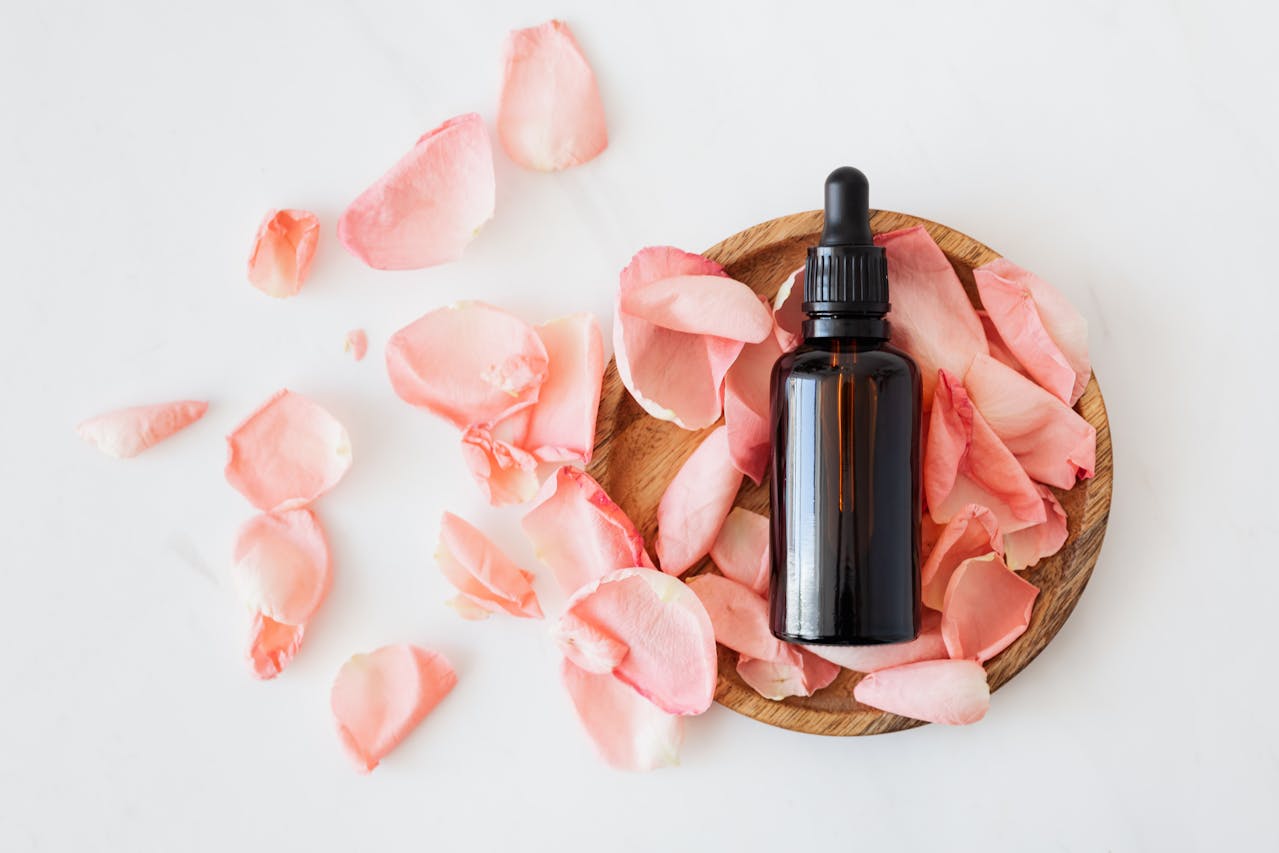
Aromatherapy, the practice of using natural plant extracts and essential oils to promote physical and emotional well-being, has been used for centuries in various cultures around the world. Essential oils are the heart of this practice, offering a holistic approach to health and wellness. By inhaling or applying these highly concentrated plant oils, individuals can experience a wide range of therapeutic benefits, from stress relief to enhanced immune function.
In this blog, we’ll explore the role of essential oils in aromatherapy, how they work, and their numerous health benefits.
What Are Essential Oils?
Essential oils are highly concentrated, volatile plant extracts obtained through distillation or cold pressing. These oils capture the aromatic essence and medicinal properties of plants, such as lavender, eucalyptus, peppermint, and many others. Each essential oil has its own unique chemical composition, giving it specific therapeutic properties that can affect the mind, body, and spirit.
In aromatherapy, essential oils are either inhaled, applied topically (usually diluted with a carrier oil), or sometimes diffused to release their aromas into the air. This practice leverages the interaction between the oils’ properties and the body’s physiological and psychological systems to promote healing and well-being.
How Essential Oils Work in Aromatherapy
When inhaled, essential oils work by stimulating the olfactory system, the part of the brain connected to smell, which is closely linked to the limbic system—an area of the brain responsible for emotions, memories, and behavior. The scent molecules from essential oils trigger certain responses in the brain, which can influence mood, stress levels, and overall mental state.
Topical application of essential oils allows them to be absorbed through the skin, where they can act directly on muscles, joints, or tissues to alleviate pain, reduce inflammation, or promote relaxation. When used in massage or skincare products, the oils can enhance both physical and emotional well-being.
Key Essential Oils in Aromatherapy and Their Benefits
1. Lavender Oil
Lavender is one of the most widely used essential oils in aromatherapy, known for its calming and soothing properties. It is frequently used to reduce stress, anxiety, and insomnia. Inhaling lavender oil or using it in a diffuser can promote relaxation and improve sleep quality. It also has anti-inflammatory and antimicrobial properties, making it useful in skincare for soothing irritated skin.
Benefits:
- Reduces anxiety and stress
- Promotes better sleep
- Alleviates headaches
- Helps with minor skin irritations
2. Peppermint Oil
Peppermint oil is refreshing and invigorating, often used to relieve headaches, improve concentration, and alleviate muscle pain. Its cooling sensation can also help soothe digestive issues when inhaled or applied to the abdomen in diluted form. The menthol in peppermint oil makes it a popular choice for clearing nasal passages and promoting respiratory health.
Benefits:
- Relieves headaches and migraines
- Boosts energy and mental clarity
- Eases indigestion and nausea
- Reduces muscle tension and pain
3. Eucalyptus Oil
Eucalyptus oil is well-known for its respiratory benefits. Its decongestant properties make it effective in treating colds, coughs, and sinus congestion. When inhaled or diffused, eucalyptus oil can help clear the airways, making breathing easier. It also has antimicrobial properties, making it useful for disinfecting surfaces or treating minor wounds.
Benefits:
- Supports respiratory health
- Acts as a natural disinfectant
- Reduces inflammation and pain
- Enhances mental clarity
4. Tea Tree Oil
Tea tree oil is a powerful antiseptic, often used to treat skin conditions like acne, cuts, and fungal infections. It is also used in aromatherapy to boost the immune system and reduce symptoms of colds and coughs. Diffusing tea tree oil can help purify the air and create a protective environment against bacteria and viruses.
Benefits:
- Fights bacteria, fungi, and viruses
- Boosts the immune system
- Helps treat acne and other skin conditions
- Promotes respiratory health
5. Bergamot Oil
Bergamot oil, derived from the peel of the bergamot orange, is known for its uplifting and mood-enhancing properties. It is commonly used in aromatherapy to reduce feelings of stress and depression. Bergamot oil is also used in skincare to balance oily skin and soothe irritation.
Benefits:
- Reduces anxiety and depression
- Enhances mood and relaxation
- Balances oily skin
- Helps alleviate digestive discomfort
Health Benefits of Aromatherapy with Essential Oils
1. Stress and Anxiety Relief
One of the most common uses of essential oils in aromatherapy is for stress relief. Oils like lavender, chamomile, and frankincense have calming properties that help reduce anxiety, lower cortisol levels, and promote a sense of peace and relaxation. Aromatherapy is often used in holistic therapies like meditation and yoga to deepen relaxation and mental clarity.
2. Improved Sleep
For those struggling with insomnia or poor sleep quality, essential oils like lavender, valerian, and cedarwood can help promote restful sleep. By calming the nervous system and reducing feelings of anxiety, these oils make it easier to fall asleep and stay asleep.
3. Enhanced Cognitive Function
Certain essential oils, such as rosemary, peppermint, and lemon, are known for their ability to improve mental clarity, focus, and memory. Inhaling these oils during work or study sessions can help boost concentration and cognitive performance, making aromatherapy a natural aid for mental fatigue.
4. Pain Relief
Essential oils like eucalyptus, peppermint, and ginger are commonly used in aromatherapy to reduce pain and inflammation. When applied topically (diluted with a carrier oil) or inhaled, these oils can alleviate headaches, joint pain, and muscle soreness. This makes aromatherapy an effective complementary treatment for conditions like arthritis and migraines.
5. Immune System Support
Many essential oils, including tea tree, eucalyptus, and oregano, have antibacterial, antiviral, and antifungal properties that can help boost the immune system and fight infections. Diffusing these oils during flu season or when you’re feeling under the weather can help prevent illness and promote faster recovery.
Essential oils play a vital role in aromatherapy, offering a natural and holistic approach to enhancing physical, emotional, and mental well-being. Whether you’re seeking stress relief, better sleep, improved focus, or immune support, essential oils provide a safe and effective way to achieve these goals. By incorporating essential oils into your daily routine, through diffusers, topical applications, or inhalation, you can experience the profound benefits of aromatherapy and embrace a more balanced and harmonious lifestyle.


