
 INDIA
INDIA INTERNATIONAL
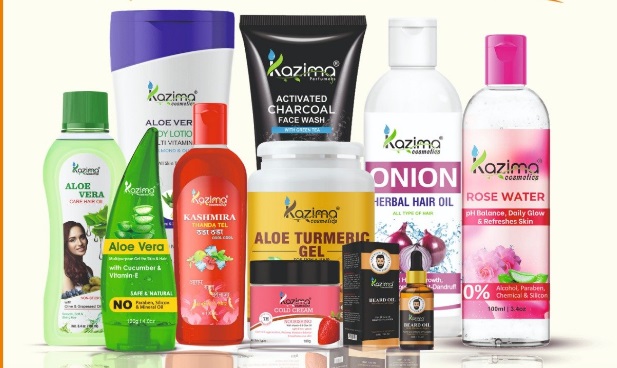
The beauty industry is in the midst of a powerful transformation. Driven by rapidly evolving consumer preferences, technological advancements, and a growing demand for sustainable, personalized solutions, cosmetic manufacturing companies are redefining the future of beauty. This evolution is not just about how products look or feel—it’s about how they’re made, who they serve, and the positive impact they can create. Let’s explore the key innovations shaping the future of Cosmetic Manufacturing.
- Sustainable Manufacturing: Greener is the New Glam
One of the most significant trends reshaping the cosmetics industry is the shift toward sustainability. Today’s consumers are more eco-conscious than ever and expect transparency from the brands they support. In response, cosmetic manufacturing companies are adopting green practices:
- Eco-friendly packaging: Using biodegradable, recyclable, or refillable containers.
- Sustainable sourcing: Ingredients are increasingly derived from renewable, plant-based resources.
- Waterless beauty: New formulations reduce water usage, both in the product and production process.
- Carbon-neutral production: Companies are investing in cleaner energy sources and offsetting emissions.
These changes are not only beneficial for the planet but also strengthen brand loyalty among environmentally aware customers.
- AI and Automation in Formulation and Production
Artificial Intelligence (AI) is revolutionizing the way cosmetic products are developed and manufactured. From research and development to real-time quality control, AI is becoming a powerful tool in the hands of manufacturers.
- Predictive formulation: AI algorithms analyze vast datasets to create innovative formulations tailored to specific skin types or preferences.
- Smart factories: Automation enhances production speed, precision, and consistency while reducing labor costs and human error.
- Demand forecasting: AI tools help companies anticipate market trends and reduce overproduction and waste.
This tech-driven approach allows for faster innovation cycles and better-performing products.
- Personalization and Bespoke Beauty
Generic beauty products are no longer enough. Modern consumers seek customized solutions for their unique skin types, tones, and lifestyles. To meet this demand, cosmetic manufacturing companies are adopting personalized production techniques.
- Skin analysis technology: Tools that evaluate skin condition can guide product selection or custom formulation.
- Custom-blended cosmetics: On-demand systems mix products like foundation or skincare serums based on individual needs.
- 3D printing: Some companies are even experimenting with printing personalized face masks or makeup components.
The shift to personalization is empowering consumers to take control of their beauty routines like never before.
- Clean Beauty and Transparent Labels
The rise of clean beauty has brought a strong focus on safe, non-toxic, and ethically produced ingredients. Consumers want to know what’s in their cosmetics—and what isn’t.
- Ingredient transparency: Clean beauty brands openly share full ingredient lists, including sourcing and safety data.
- Free-from claims: Many products now highlight the absence of harmful chemicals like parabens, sulfates, and artificial fragrances.
- Cruelty-free and vegan certification: Ethical manufacturing practices are becoming essential to brand success.
Cosmetic manufacturers are responding by re-evaluating ingredients, formulations, and production ethics to meet these new standards.
- Biotechnology in Beauty
Biotech is one of the most exciting frontiers in cosmetic manufacturing. By harnessing biological systems, scientists can develop innovative ingredients that are both sustainable and effective.
- Lab-grown actives: Ingredients like collagen, hyaluronic acid, and squalane can now be synthesized in labs, eliminating the need for animal or plant extraction.
- Microbiome-friendly formulations: Understanding the skin’s natural ecosystem is leading to products that work with our biology rather than against it.
- Fermented ingredients: These enhance potency, absorption, and skin compatibility.
Biotech allows manufacturers to offer high-performance products with a lower environmental footprint.
- Digital Integration and Virtual Try-Ons
With the beauty industry’s growing online presence, cosmetic manufacturers are integrating digital technologies into product development and customer experience.
- Augmented Reality (AR): Virtual try-on apps allow customers to see how a product looks before buying.
- Digital twins: Creating digital prototypes speeds up testing and design before physical production.
- Feedback loops: Digital platforms collect user data to help improve products and personalize offerings.
These digital innovations are bridging the gap between physical products and virtual consumer experiences.
The future of beauty is being shaped by innovation across all fronts—from sustainability and AI to personalization and biotechnology. Cosmetic manufacturing companies are no longer just factories producing creams and lipsticks; they are becoming hubs of research, creativity, and ethical responsibility. As consumer expectations evolve, only those companies that embrace change and lead with innovation will thrive in this exciting new era of beauty.
Whether you’re a beauty entrepreneur, manufacturer, or customer, one thing is clear: the cosmetics industry’s transformation is just beginning, and the future is looking beautifully bright.


