
 INDIA
INDIA INTERNATIONAL
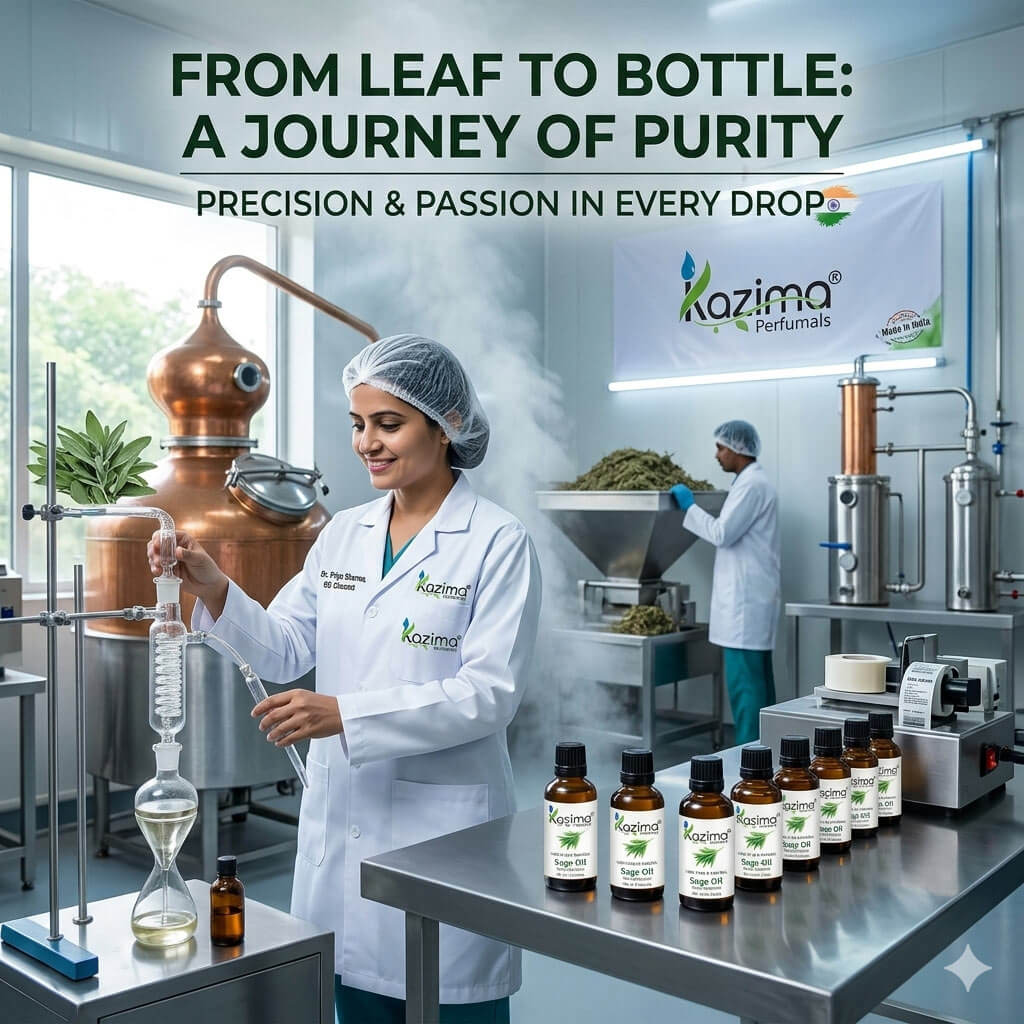
The global demand for pure, therapeutic-grade essential oils has grown at an extraordinary pace, driven by the wellness, cosmetics, food, pharmaceutical, and home-care industries. Behind every bottle of lavender, eucalyptus, or peppermint oil sits a complex manufacturing process that determines its purity, potency, and safety. In this guide, we break down everything buyers, distributors, and formulators need to know about Essential Oil Manufacturing Companies, how they operate, and what separates the industry leaders from the rest.
What Essential Oil Manufacturing Companies Actually Do
Essential oil manufacturers are far more than bottlers of plant extracts. A genuine manufacturing operation manages the entire value chain — from raw material sourcing and cultivation partnerships, through extraction and distillation, to quality testing, blending, and packaging. We consider a company a true manufacturer (rather than a reseller or private-label trader) when it controls at least the extraction or distillation step in-house, maintains its own laboratory for GC-MS (Gas Chromatography-Mass Spectrometry) testing, and can trace each batch back to a specific harvest and farm.
This distinction matters enormously to buyers. A manufacturer with vertical control over sourcing and processing can guarantee batch consistency, respond quickly to quality deviations, and offer transparent Certificates of Analysis (CoA) for every lot produced.
Core Extraction Methods Used by Leading Manufacturers
The extraction technique used has a direct impact on the final oil’s chemical composition, aroma profile, and cost.
Steam Distillation
Steam distillation remains the most widely used method, particularly for oils derived from leaves, flowers, and woody materials such as lavender, tea tree, rosemary, and cedarwood. Steam passes through the plant material, vaporizing the volatile aromatic compounds, which are then condensed and separated from the water. Reputable manufacturers carefully control distillation pressure, temperature, and duration since even minor variations can alter the final yield and aromatic profile.
Cold Press Extraction
Cold press extraction, also called expression, is the standard method for citrus oils like orange, lemon, bergamot, and grapefruit. The peel is mechanically pressed to release the oil without applying heat, preserving delicate top notes and heat-sensitive compounds that would otherwise degrade during distillation.
CO2 Extraction
Supercritical CO2 extraction uses pressurized carbon dioxide as a solvent to pull aromatic compounds from plant material at low temperatures. This method yields a more complete chemical profile and is increasingly favored for premium oils such as frankincense, myrrh, and rose, since it avoids the thermal degradation associated with traditional steam distillation.
Solvent and Enfleurage Methods
For delicate florals like jasmine and tuberose that cannot withstand steam distillation, manufacturers turn to solvent extraction to produce absolutes, or the traditional enfleurage technique, which uses fat to capture fragrance compounds. These methods are labor-intensive and typically reserved for small-batch, high-value production runs.
Quality Standards and Certifications That Set Manufacturers Apart
Buyers evaluating essential oil manufacturing companies should look closely at certification and testing protocols, since the industry remains largely unregulated in many regions.
- ISO 9001 certification demonstrates a documented quality management system across production.
- GC-MS testing for every batch confirms the chemical fingerprint matches expected therapeutic-grade standards and screens for adulteration.
- USDA Organic or ECOCERT certification verifies that raw materials were grown without synthetic pesticides or fertilizers.
- ISO 22716 (Cosmetic GMP) governs hygiene and manufacturing practices when oils are destined for cosmetic applications.
- Fair Trade certification confirms ethical sourcing and fair compensation for farming communities, particularly relevant for oils sourced from developing regions.
We recommend that any sourcing decision begin with a direct request for a Certificate of Analysis and, where possible, a Certificate of Origin tied to the specific batch being purchased — not a generic specification sheet.
Raw Material Sourcing: The Foundation of Quality
The finest manufacturers maintain direct relationships with growers rather than purchasing through layered broker networks. Direct sourcing allows for:
- Traceability down to the specific farm, harvest season, and even field plot.
- Consistent botanical species and chemotype, since plants of the same species grown in different regions or climates can yield significantly different chemical profiles (a phenomenon known as chemotyping).
- Sustainable harvesting practices that protect wild plant populations, especially for endangered or slow-growing species like sandalwood and rosewood.
- Fair and stable pricing for farming communities, which in turn supports long-term supply reliability.
Manufacturers operating without transparent sourcing chains are far more exposed to the risk of adulteration, where cheaper carrier oils, synthetic isolates, or diluted blends are passed off as pure extracts.
How Manufacturing Capacity and Specialization Vary
Essential oil manufacturers generally fall into a few operational categories:
Large-scale integrated producers operate their own farms, distillation facilities, and laboratories, often specializing in a handful of high-volume oils such as peppermint, lavender, or orange. These companies typically serve bulk B2B markets including flavor houses, pharmaceutical companies, and major cosmetic brands.
Regional specialty distillers focus on a narrow range of botanicals tied to a specific growing region — Bulgarian rose, Madagascar ylang-ylang, or Indian vetiver, for example — leveraging unique terroir to produce oils with distinctive characteristics unavailable elsewhere.
Contract and private-label manufacturers produce custom blends and formulations for wellness brands, supplement companies, and retailers who want to sell finished products without operating their own production facilities. These manufacturers typically offer minimum order quantities (MOQs), custom labeling, and formulation support.
Evaluating a Manufacturer Before You Buy
When assessing potential essential oil manufacturing partners, we encourage buyers to ask the following questions:
- Does the company own or directly control its distillation equipment, or does it outsource processing?
- Can they provide batch-specific GC-MS reports rather than generic specification documents?
- What is their minimum order quantity, and can they scale production as demand grows?
- Do they disclose the botanical name, country of origin, and extraction method for each oil?
- What is their policy on adulteration testing and how do they verify supplier claims?
- Are they transparent about lead times, particularly for oils affected by seasonal harvests or weather-related crop variability?
A manufacturer willing to answer these questions in detail, with documentation to back up every claim, is generally a far safer long-term partner than one offering the lowest price with minimal transparency.
Packaging, Storage, and Logistics Considerations
Quality does not end at extraction. Essential oils are highly sensitive to light, heat, and oxygen, all of which accelerate oxidation and degrade therapeutic properties. Leading manufacturers package finished oils in amber or cobalt glass bottles, store inventory in temperature-controlled warehouses, and use nitrogen flushing for oils particularly prone to oxidation, such as citrus and pine-family oils. For international buyers, it’s also worth confirming that a manufacturer has experience navigating customs documentation, IATA dangerous goods regulations (relevant for certain high-flashpoint oils), and cold-chain logistics where applicable.
The Future of Essential Oil Manufacturing
The industry is moving steadily toward greater transparency, sustainability, and traceability. Blockchain-based supply chain tracking, satellite-verified organic farming, and increasingly sophisticated analytical testing are becoming standard expectations rather than premium add-ons. Manufacturers that invest early in these capabilities are positioning themselves to meet tightening regulatory standards in markets like the EU and the growing consumer demand for verified, ethically sourced botanicals.
Choosing the right essential oil manufacturing partner ultimately comes down to verifiable transparency at every stage — from seed to bottle. Companies that can demonstrate this level of control and documentation consistently outperform their competitors in both product quality and long-term customer trust.


